The Quiet Crisis on the Service Drive: How a Growing Management Void Is Opening Doors for Ambitious Automotive Professionals
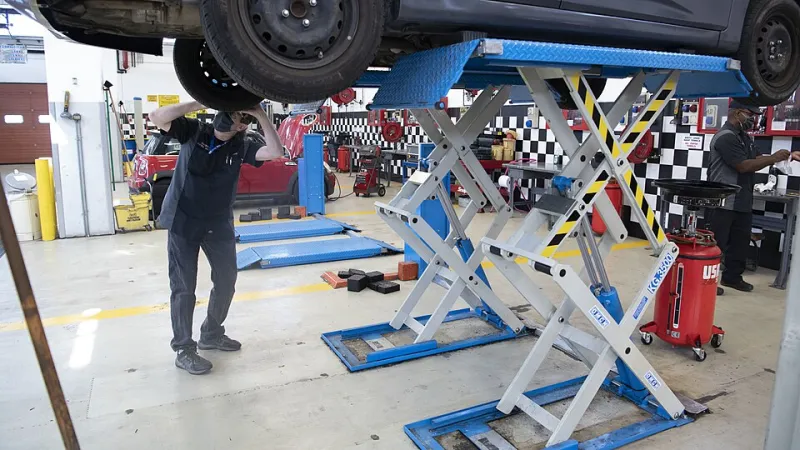
Photo: Pvt. Joshua Shaw, Public domain, via Wikimedia Commons
A Management Gap That Keeps Growing
Walk into the back office of almost any franchised dealership in the United States today and you are likely to find a service manager who is stretched thin. Overseeing technician productivity, managing customer escalations, maintaining warranty compliance, hitting repair order targets, and keeping the service drive running on schedule — the demands placed on this single role are extraordinary. And increasingly, qualified candidates willing to shoulder all of it are in short supply.
According to automotive workforce data and dealer principal surveys conducted over the past several years, service department turnover rates consistently outpace those of virtually every other dealership department. At the management level, the problem compounds. Experienced service managers are leaving the retail automotive space for less demanding roles at independent shops, fleet management companies, and OEM-side positions. The pipeline of internal candidates trained and ready to step up has not kept pace with attrition.
For professionals already working in dealership service departments, that gap represents one of the most significant career acceleration opportunities available in the industry today.
Why the Role Is So Demanding — and Why That Matters for You
To understand the opportunity, it helps to understand the pressure. A service manager sits at the intersection of three competing priorities: customer satisfaction scores (which directly affect OEM incentive payouts), technician efficiency and morale, and the dealership's overall fixed operations profitability. Balancing all three simultaneously requires a skill set that is genuinely rare — part operational analyst, part people manager, part customer service professional.
The role also carries significant accountability without always having commensurate authority. Service managers frequently report to fixed operations directors or general managers who set revenue expectations but may have limited visibility into the day-to-day realities of running a high-volume service department. When CSI scores dip or a technician walks off the job, the service manager is the first point of accountability.
This pressure has historically driven high turnover. But here is what that reality means for a strategic job seeker: dealerships are no longer holding out for the idealized candidate with fifteen years of management experience and a perfect track record. They need someone capable, coachable, and willing to commit — and they are increasingly willing to promote from within or consider candidates who may lack a traditional management resume but bring deep operational fluency.
What Dealerships Are Now Offering to Compete for Talent
The scarcity of qualified service managers has forced many dealership groups to rethink their compensation structures for the role. While pay packages vary significantly by market size, franchise brand, and dealership volume, the national picture has shifted meaningfully in recent years.
Base salaries for service managers at mid-volume dealerships in major metropolitan markets now frequently fall in the $75,000 to $100,000 range, with high-performing managers at large-volume stores earning well into six figures when bonuses tied to labor gross and CSI performance are factored in. Some larger dealer groups have begun offering signing bonuses, relocation assistance, and structured retention incentives designed to reduce the churn that has plagued the position.
Beyond compensation, progressive dealerships are beginning to address the quality-of-life concerns that have historically pushed talented service professionals away from management. Defined scheduling structures, clear escalation protocols, and investment in service department technology — digital multipoint inspection platforms, automated scheduling tools, and CRM integrations — are reducing the administrative burden that once made the job feel unsustainable.
Health benefits, paid time off, and manufacturer-sponsored management training programs are also increasingly being highlighted as recruitment tools, particularly as dealerships compete not just with each other but with the broader job market for candidates who have transferable skills.
How Service Advisors Can Position Themselves for the Move
For a service advisor eyeing a management transition, the current environment is genuinely favorable — but positioning matters. Dealerships are not simply promoting whoever has been on the service drive the longest. They are looking for individuals who demonstrate the specific competencies that make the service manager role viable: communication under pressure, process discipline, financial literacy at the department level, and the ability to develop technician performance without micromanaging.
Building a case for promotion starts with visibility. Service advisors who actively engage with repair order metrics, track their own CSI performance, and volunteer for cross-functional responsibilities — covering for managers during absences, participating in hiring conversations, or taking ownership of a specific process improvement — signal readiness without requiring a formal title change.
It is also worth pursuing available training proactively. Many OEM manufacturer programs offer fixed operations management coursework, and organizations such as the National Automobile Dealers Association (NADA) provide management development resources specifically designed for dealer group professionals. Arriving at a promotion conversation with completed coursework and demonstrable knowledge of the financial side of fixed operations dramatically strengthens a candidate's negotiating position.
The Technician Path Into Management
While the service advisor route into service management is more commonly discussed, technicians represent an underutilized talent pool that forward-thinking dealerships are beginning to recognize. Master technicians, particularly those who have served as shop foremen or informal mentors to junior technicians, often possess a depth of technical credibility that can translate powerfully into the management role — especially in dealerships where technician retention is a primary concern.
The transition requires deliberate skill development in areas that technical training does not cover: customer communication, scheduling logic, and financial performance management. But the operational credibility that comes with years on the shop floor can be a meaningful differentiator when a dealership is weighing internal candidates.
Technicians pursuing this path should seek out mentorship from current or former service managers, request exposure to the administrative side of the department, and frame their experience in terms of department outcomes rather than individual technical accomplishments.
Negotiating Your Entry Into the Role
Whether approaching a current employer or exploring opportunities through an external search, candidates entering service manager conversations today have more negotiating leverage than the role has historically afforded. The shortage is real, and dealerships that understand their fixed operations profitability know that a prolonged vacancy in the service manager seat is expensive.
Enter negotiations with a clear picture of the market rate for your region, a defined sense of the performance metrics you will be held to, and a specific ask around onboarding support — including whether the dealership will provide a transition period with the outgoing manager or access to structured management training. Dealerships serious about filling the role with a long-term candidate will engage seriously with these requests.
Also clarify the reporting structure and the scope of authority the role carries. One of the primary reasons service managers leave is a mismatch between accountability and empowerment. Understanding those dynamics before accepting an offer can be the difference between a rewarding management career and another entry in the dealership's turnover statistics.
The Window Is Open — For Now
Workforce dynamics in automotive retail are cyclical, and the current shortage of experienced service managers will not persist indefinitely. As compensation improves and dealerships invest more seriously in building internal management pipelines, the availability of these opportunities will normalize. For service professionals ready to make a move, the present moment offers a genuine structural advantage — one that rewards preparation, strategic positioning, and the willingness to step into a demanding but genuinely consequential role.