Earn While You Learn: How Dealership Apprenticeship Programs Are Rewriting the Rules on Entry-Level Pay
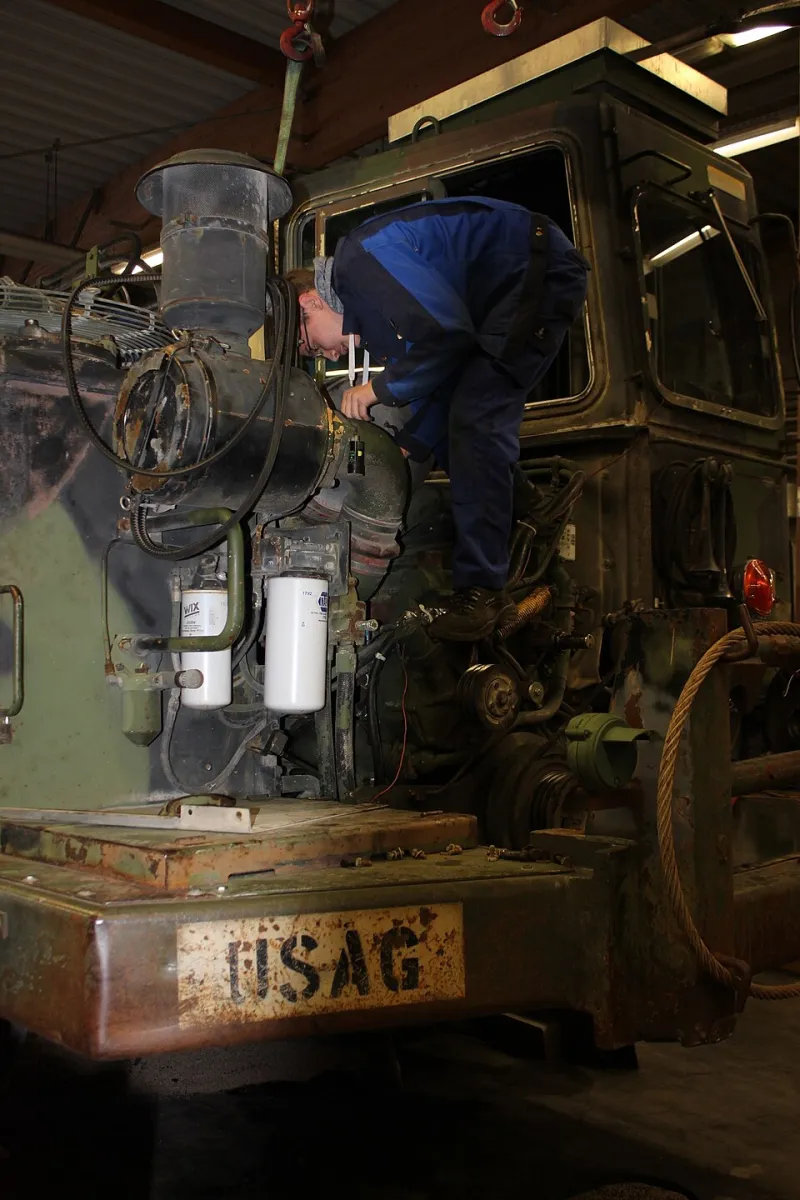
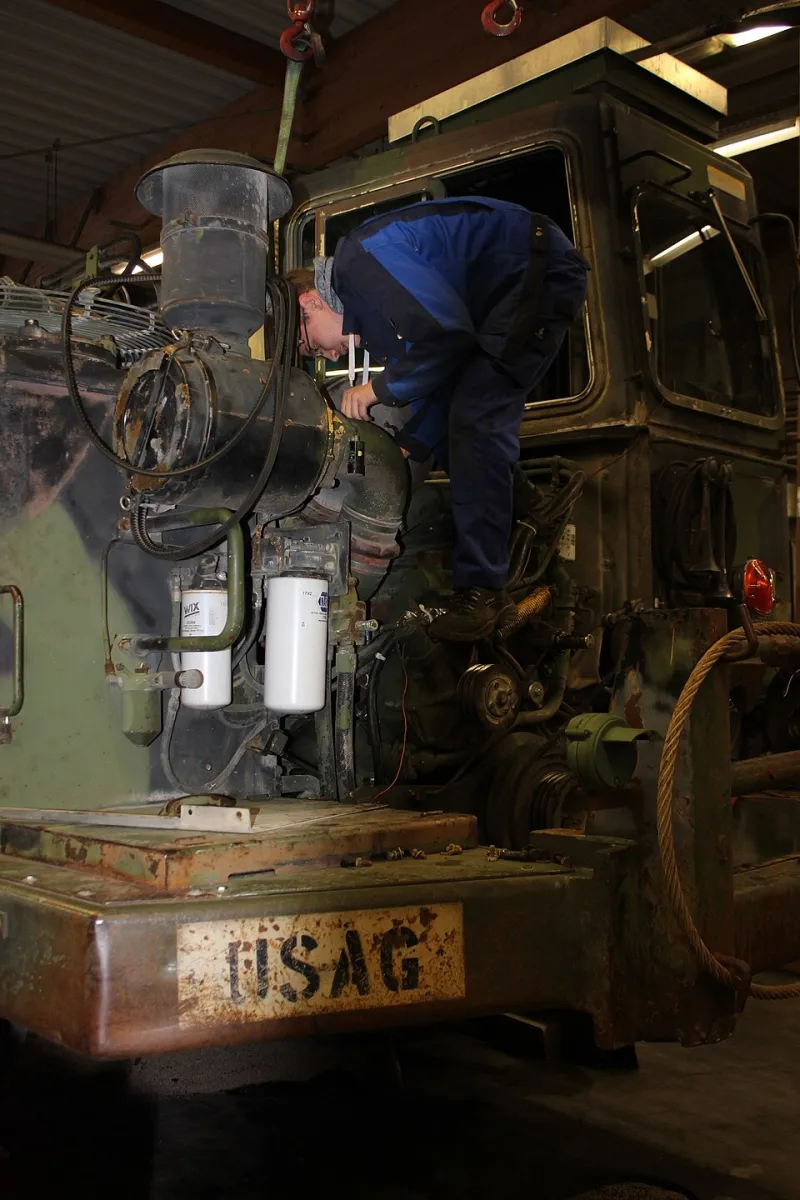
Photo: U.S. Army 405TH-AFSB by Rabia Coombs, Public domain, via Wikimedia Commons
For decades, the conventional wisdom in career planning has been straightforward: earn a degree, enter the workforce, and climb the ladder. In the automotive industry, that path often meant completing a two- or four-year program in automotive technology or business administration before landing an entry-level role at a dealership. Today, that model is being disrupted — not by a startup or a technology platform, but by the dealerships themselves.
Across the United States, franchise and independent dealerships are investing heavily in proprietary apprenticeship programs designed to recruit, train, and retain talent from scratch. These structured pipelines are producing workers who, within two to four years, are earning wages that frequently exceed those of peers who spent the same period accumulating student debt in a classroom.
The Talent Gap That Changed the Math
The origins of this shift are largely practical. The automotive retail sector has faced a persistent and worsening staffing shortage, particularly in technical and service-facing roles. According to the National Automobile Dealers Association, dealerships nationwide struggle to fill thousands of open positions annually, with service technicians, parts specialists, and service advisors representing the most acute shortages.
When qualified candidates stopped arriving in sufficient numbers through traditional channels, dealerships began engineering their own supply. Rather than waiting for vocational schools or universities to produce graduates, forward-thinking operators built internal academies and formalized on-the-job training structures that could take a motivated individual with no prior automotive experience and develop them into a productive, revenue-generating employee within months.
The financial logic is compelling. A dealership that invests $15,000 to $25,000 in training a technician apprentice over twelve to eighteen months retains an asset that generates far more value than that investment over a multi-year tenure — and avoids the ongoing cost of unfilled service bays.
What These Programs Actually Look Like
Dealership apprenticeship structures vary considerably in their design, but several common elements have emerged as industry standards among the most successful programs.
Most begin with a paid onboarding period during which the new hire is paired with a senior technician, service advisor, or department manager. This mentorship component is central to the model. Rather than absorbing theory in a classroom, the apprentice is immediately exposed to real customer vehicles, live transactions, and the operational rhythms of a working department.
Many programs incorporate manufacturer-sponsored certification tracks. Automakers including Ford, General Motors, Toyota, and Stellantis maintain their own technician training curricula, and dealerships that participate in these programs can accelerate a new hire's credentialing timeline significantly. An apprentice who completes a manufacturer's entry-level certification within their first year often qualifies for immediate pay increases tied to that credential — without ever having enrolled in a college course.
Beyond the technical track, some dealerships have extended the apprenticeship model into sales, finance, and fixed operations. Candidates hired as lot attendants or porter staff are increasingly being identified early for structured advancement pathways into sales associate or service advisor roles, with formal review milestones and corresponding compensation adjustments built into the program design.
The Salary Trajectory: A Closer Look
The earnings comparison between apprenticeship-trained dealership employees and four-year degree holders in adjacent fields is where the data becomes genuinely striking.
A candidate who enters a dealership apprenticeship program at age eighteen or nineteen — earning an hourly wage in the range of $14 to $18 during training — can realistically reach $55,000 to $70,000 annually within two years of completing their apprenticeship, particularly in the technician or service advisor track. Those who pursue additional manufacturer certifications or demonstrate strong customer-facing performance often cross the $80,000 threshold by year four.
By contrast, a graduate who spent those same four years pursuing a bachelor's degree in business or a related field typically enters the workforce with $30,000 to $50,000 in student loan debt and an entry-level salary in the $40,000 to $55,000 range. When net income is considered — accounting for loan repayment obligations — the apprenticeship-trained employee frequently holds a material financial advantage for the first five to seven years of their career.
It is worth noting that this comparison is not uniform across all roles or markets. Dealerships in high-cost metropolitan areas tend to offer stronger compensation at every level, and the apprenticeship advantage is most pronounced in technical and service-facing roles rather than corporate or administrative functions. Nevertheless, the gap is real, and it is widening as dealership wages continue to rise in response to competition for skilled labor.
Why Employers Are Doubling Down on Internal Training
For dealership operators, the investment in apprenticeship infrastructure is increasingly viewed as a strategic imperative rather than a discretionary expense. The alternative — competing for a shrinking pool of credentialed candidates in an open market — has proven both costly and unreliable.
Retention is another driving factor. Employees who are trained internally and advance through a structured program tend to demonstrate stronger loyalty to the organization that invested in their development. This is a meaningful consideration in an industry where technician turnover can cost a dealership tens of thousands of dollars per departure when recruitment, onboarding, and lost productivity are factored together.
Some larger dealer groups have formalized this philosophy into multi-year workforce development strategies, partnering with local high schools and community colleges to identify candidates even earlier in the pipeline. These partnerships often include job shadowing programs, summer internships, and conditional hiring agreements that give promising students a clear line of sight to a paying position before they graduate.
What Job Seekers Should Know Before Applying
For individuals weighing their options in the current market, dealership apprenticeship programs represent a genuinely competitive path — but one that rewards specific qualities. Employers in these programs consistently identify work ethic, coachability, and interpersonal communication as the traits that most reliably predict success, often ranking them above prior automotive knowledge or academic credentials.
Candidates interested in pursuing this route should research which dealerships in their area operate structured programs, as the quality and formality of these offerings varies considerably. Questions worth asking during an interview include the length of the apprenticeship period, whether manufacturer certification is included, how pay increases are structured, and what advancement timelines look like for graduates of the program.
Job seekers should also be aware that the most competitive apprenticeship opportunities — those attached to high-volume dealerships with robust training infrastructure — can attract significant interest. Presenting oneself professionally, demonstrating a genuine interest in the automotive field, and being prepared to discuss long-term career goals will distinguish a candidate in a crowded applicant pool.
A New Definition of Credentialed
The rise of the dealership apprenticeship is not an argument against education. It is, rather, a signal that the automotive industry is redefining what it means to be qualified. Increasingly, the credentials that matter most on the service drive and in the sales tower are the ones earned through demonstrated performance — not the ones printed on a diploma.
For a generation of job seekers navigating a labor market full of uncertainty, that represents both a practical opportunity and a meaningful shift in how careers in automotive are built. The dealership that once required a résumé is now, in many cases, willing to write one for you.